
Resolve the BMW i3 “Slow Charging” fault: Error code 222AE5
If your BMW i3 suddenly displays the message “Charging only possible with limited power” or the general warning “Mains voltage too low,” you're not the only one. Even if the car is connected to a powerful 3-phase charger, it refuses to draw the power you expect.
When the car is read for errors, mechanics often find this particular trio of codes:
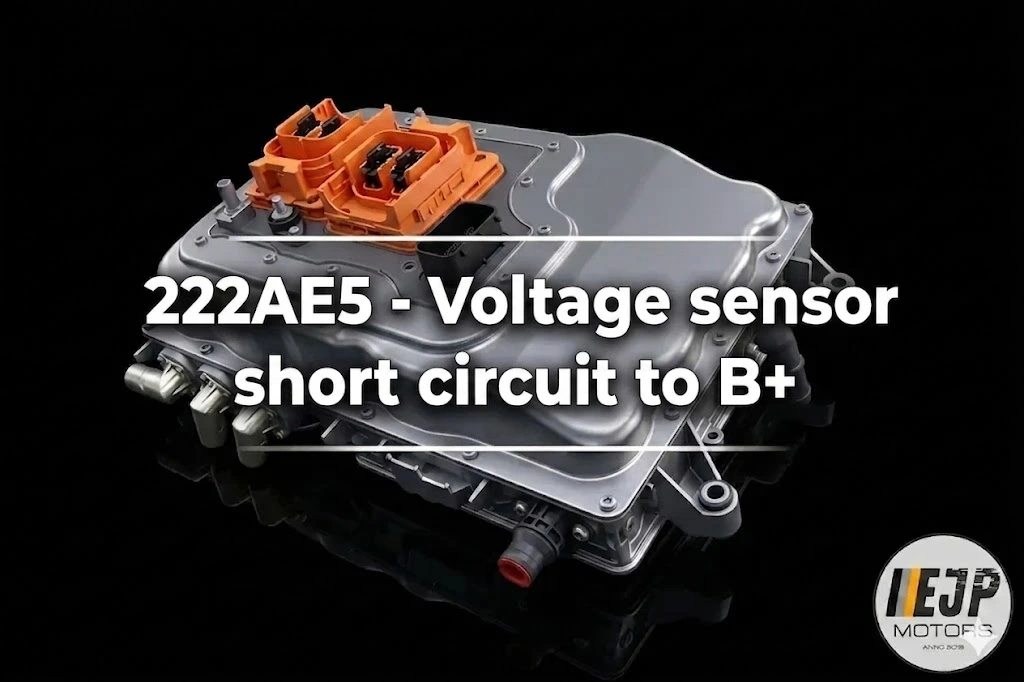
222AE5: Voltage sensor short circuit in charging electronics.
222834: Control message loading management cannot be restored.
222842: Error during charging process.
While this sounds like a software glitch or a problem with your home charging station, the reality is a hardware defect deep in the car's power systems.
The problem: Why is my car charging so slowly?
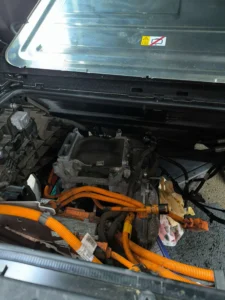
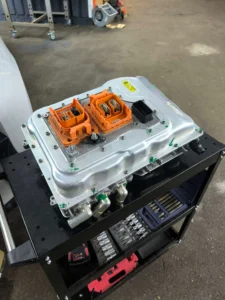
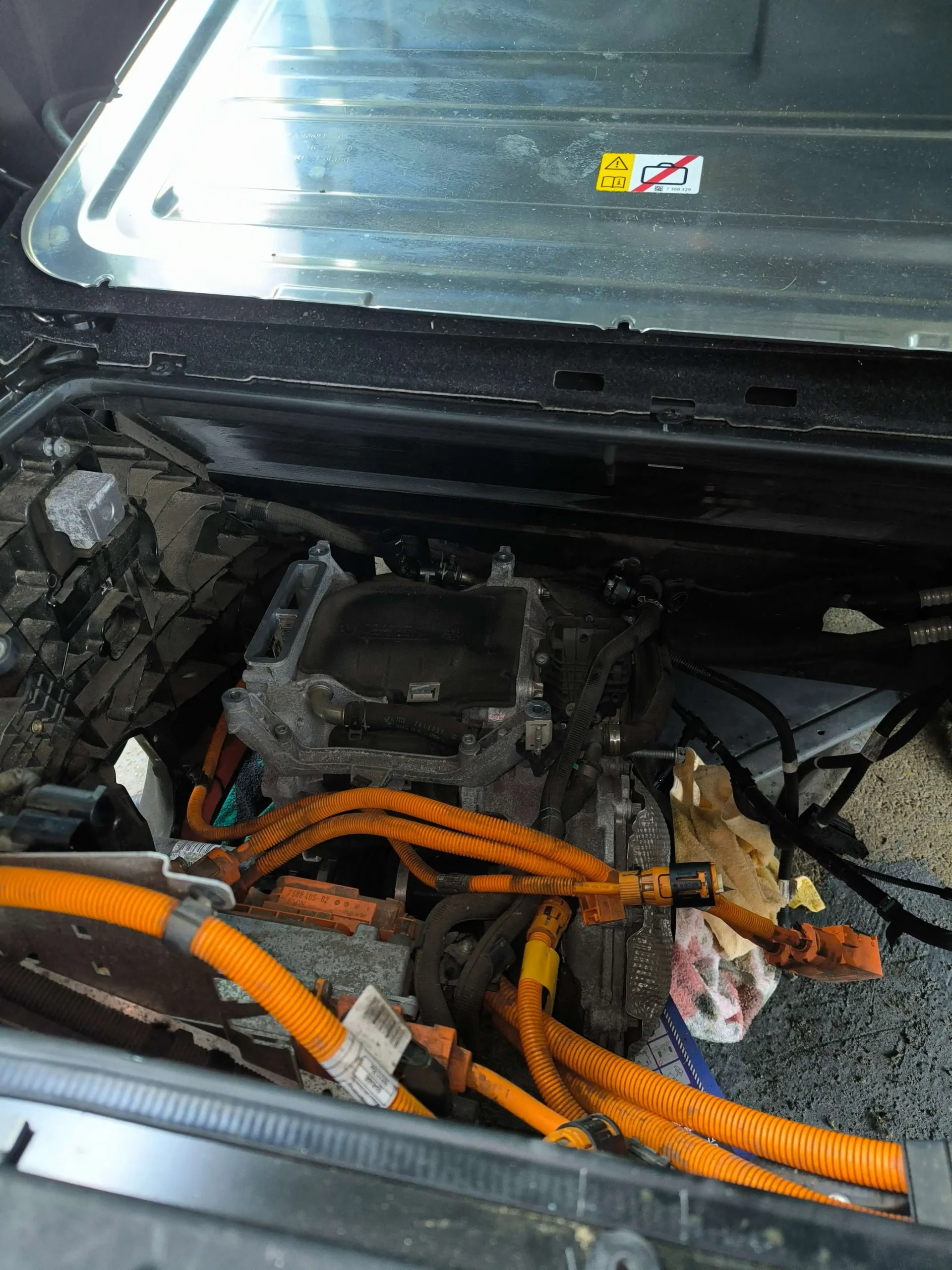
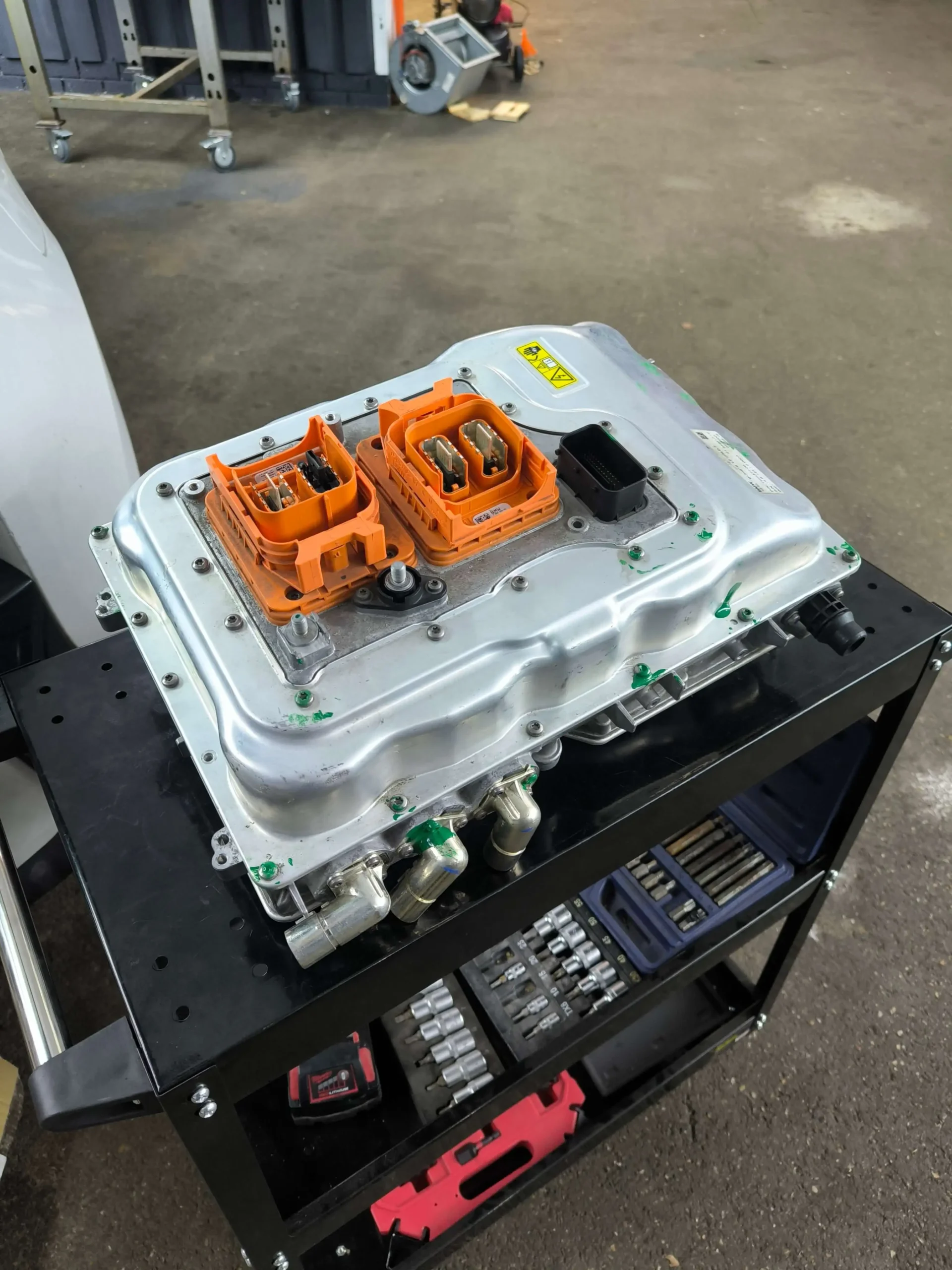
The BMW i3 uses sophisticated electronics to convert alternating current (AC) from the grid into direct current (DC) for the battery. The heart of this system is the charging electronics (often the KLE or EME unit). When error code 222AE5 appears, the car's “brain” is receiving incorrect data about the incoming voltage.
As the car detects a “short circuit” in the voltage sensor, a Safe Mode is immediately activated to prevent electrical fire or hardware damage:
- 3-phase Blockade: The car refuses to use all three phases of your charger at home or at a public charging station.
- Power limitation: The charging speed is reduced to a crawl - often only 2 kW or 3 kW.
- Communication failure: Because the hardware is compromised, the charge management system can no longer effectively “talk” to the charger (Code 222834).
What is really happening?
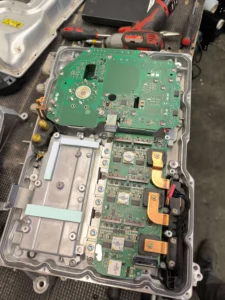
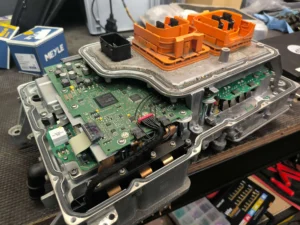
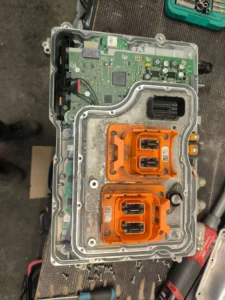
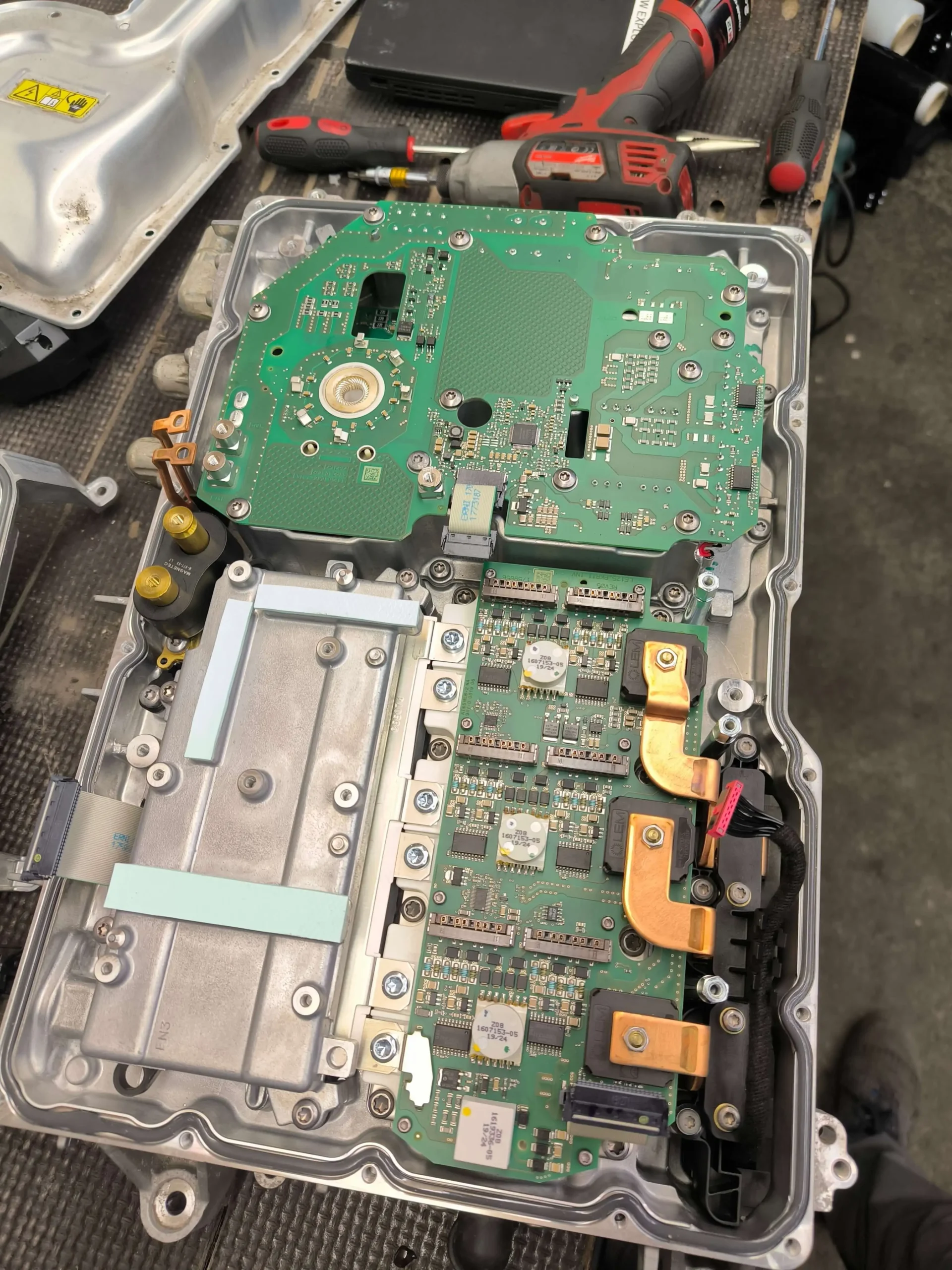
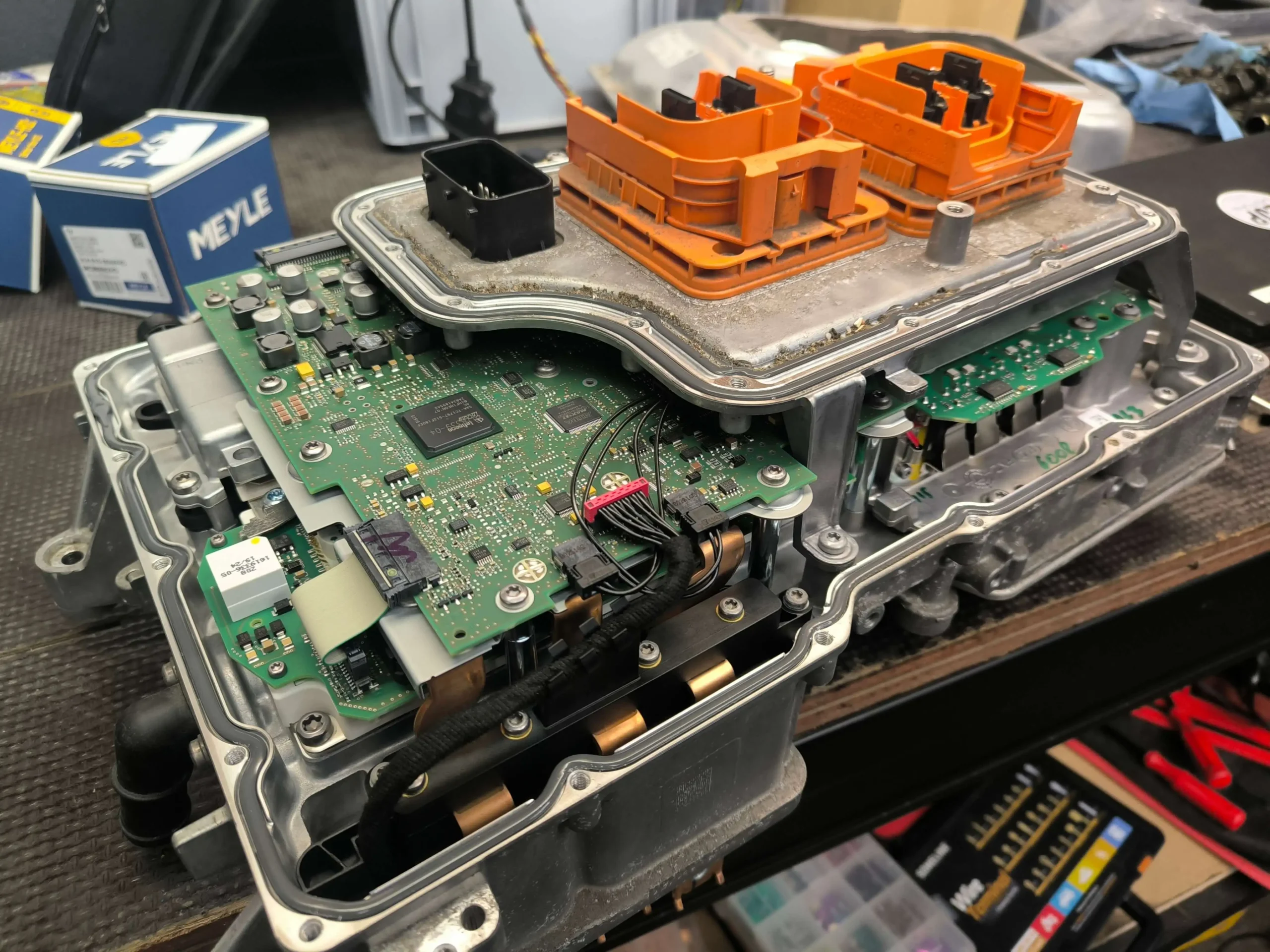
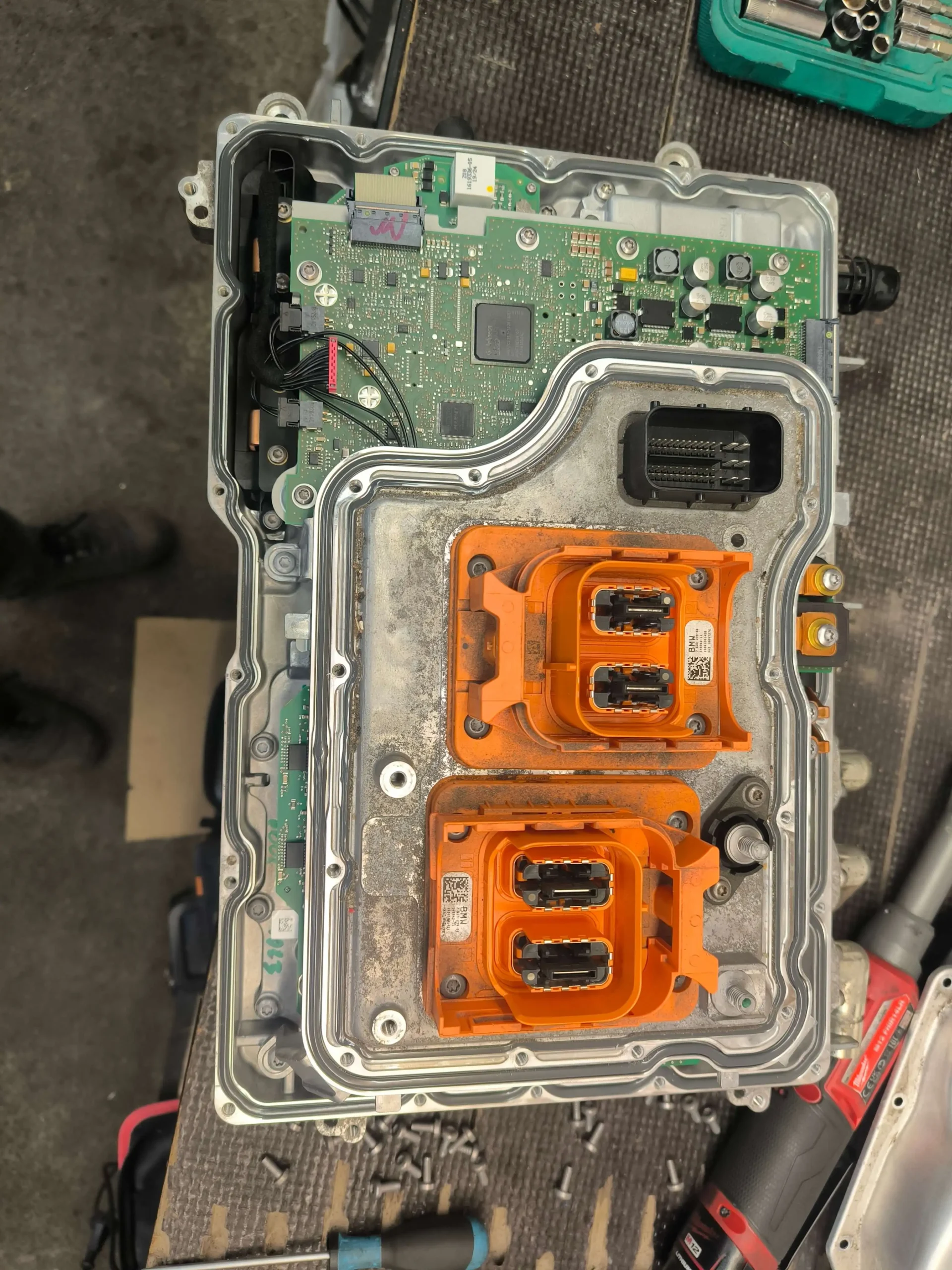
The description “Voltage sensor short circuit” is often misleading. In most cases, no physical cable is shorted. Instead, the fault lies with the internal circuit board of the charging unit. The circuit board contains precision components that monitor voltage. Over time, due to heat cycling and aging, specific resistors or capacitors on the circuit board may fail. This causes the processor to see a constant “short to B+” (battery-plus), even if your charging cable is perfectly fine.
The “Dealer solution” versus the specialist approach The official protocol: BMW dealers do not perform in-house repairs on electronic units. If they see code 222AE5, their standard protocol is to replace the entire charging unit (KLE or EME). This is a major and expensive procedure, typically costing between €4,000 and €8,000. For many owners, this makes the car feel like a “total loss.”. Our specialist solution: We don't believe in throwing away an expensive computer because of one defective component. We specialize in component-level repairs that dealers simply cannot do:
- Precision diagnostics: We open the unit in a controlled environment and trace the voltage monitoring circuits to find the exact point of failure.
- Circuit repair: We replace the faulty sensors or logic chips with high-quality components designed to withstand the thermal stress of 3-phase charging.
- System validation: We clear the entrenched “Safe Mode” codes and test the unit on a test bench to ensure that 11 kW (3-phase) charging is fully restored.
The result Once the internal hardware error is fixed:
- Disappears the “Limited power” message immediately.
- Does the car regain the ability to communicate with fast chargers (resolve code 222834).
- Is fully 3-stage charging restored, allowing you to get back on the road within hours instead of days.
Summary: If your i3 is stuck in “Slow Charging” mode with code 222AE5, don't let the dealer talk you into a full unit replacement. We can repair the internal electronics for a fraction of the cost, restoring your charging speed and giving your i3 a second life. Are you currently seeing these error codes? Contact us today for a specialist consultation.